

micro1 connects remote workers from anywhere with Silicon Valley companies, primarily for AI training work. You apply, go through their screening, and if you pass, you get matched to projects. Some of those projects pay well. That is the honest summary.
I will say the presentation is easy to get swept up in. Working with top tech firms from anywhere in the world, earning competitive rates, no commute, no office. It sounds like the kind of setup people spend years trying to find. But micro1 has specifics that matter before you decide it is worth your time, and I want to go over those plainly.
This covers what the platform is, how the earning model works, and where the real drawbacks sit. Not to talk you out of it. Just so you go in with both eyes open.
What is micro1, and how does it work?
micro1 is a talent marketplace. It connects professionals to companies hiring for AI-related and technical roles, and it does the matching for them rather than making you scroll through listings and send out applications.
I’ve come across quite a few platforms that frame themselves as talent networks but end up being thin job boards with a different name. micro1 is not structured that way. The matching is automated, it focuses more on technical work, and the pay reflects that. It’s not the kind of platform where you’ll find low-effort tasks at minimal rates.
If you’re trying to figure out whether it’s worth your time, the honest answer is: it depends on what you bring to it. The opportunities are real. Getting matched to the right ones is a different question, and that’s what the rest of this covers.
Remote Jobs With an AI Interviewer
micro1 connects companies with remote workers. You apply. If you don’t, you earn nothing.
The Jobs section shows every open position. The companies posting them have partnered with micro1, so getting hired means working for them, not for the platform. The range surprised me. When I looked through it, I found remote jobs for AI Video Generation Specialists, Marriage and Family Therapists, QA analysts, audio engineers, software developers, financial data analysts, and Detectives, alongside Agricultural Managers and a few titles I had genuinely never seen on a job board before.
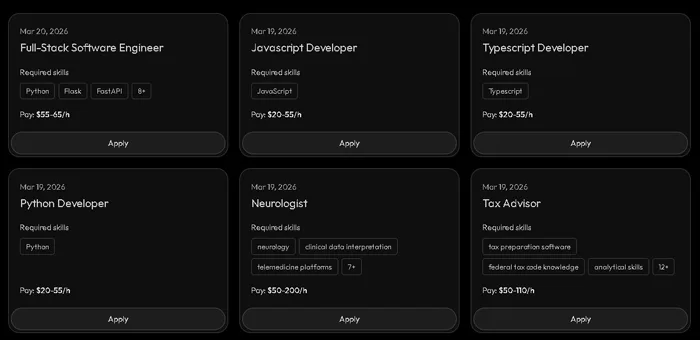
To apply, you click a listing, fill out the form, and upload your resume. After that comes a skill certification process. Pass it and you get scheduled for an interview. Your profile also goes into micro1’s talent pool for future openings, which is worth noting even if you don’t land the first role you apply for.
The interview is where things get strange. An AI conducts it. I have been through a few hiring processes, and nothing quite prepared me for answering screening questions to a bot. Before the real interview, there is a practice run with the same AI, which I found more useful than expected. It lets you get the feel of the format before it counts. If the AI interview goes well, micro1 passes your application to human recruiters. From there, a successful review means a job offer lands in your email with instructions.
Salaries on the listings looked competitive. How competitive depends entirely on what you can qualify for.
Refer Your Friends
The referral program works like this: you find a job listed on the platform, share your referral link with someone you think could land it, and if they get hired and work at least 10 hours, you earn a reward.
To get your link, log into the member dashboard, go to the Opportunities section, and click the Refer and Earn button next to the job you want. Your referral link for that listing appears on the screen. Copy it, send it to the right person, and wait.
The reward amount changes depending on the job. I went through several listings and the highest payout I found was $2,000. That is not a small number. But it only reaches your account if your referral actually gets hired and completes those 10 hours. Nobody hands you $2,000 for forwarding a link.
It pays well when it works. The problem is that it requires you to know people with the right skills, and those people have to want the job, and then they have to get it. That is a lot of steps to clear before anything lands in your account. If you have a strong professional network and you pay attention to who needs what, this is worth checking regularly. If you are planning to share links with anyone who will read them, do not count on much.
How do people get paid?
Micro1 doesn’t pay you. The company that hires you through the platform does. So your payment terms, method, and schedule all come from your employer, not from Micro1 itself.
In my experience, that usually means Deel, bank transfer or PayPal. The timing tends to follow a regular pay schedule, not instant withdrawals.
If nothing on Micro1 suits you right now, there are simpler options. Attapoll, FreeCash, GG2U, and EarnLab all pay through PayPal and don’t ask for prior work experience. Different kind of work, but the payout process on each of them is clean and simple.
How Much Can You Earn with micro1?
From what I can tell, most jobs on micro1 pay well, and that tracks. These are skilled positions. Clients come here because they need people who know what they’re doing, so the rates reflect that.
The referral program is interesting to me. The rewards are substantial, which tells you something. When a platform pays that much to help find the right person, finding that person is hard. Clients are not spoiled for choice here.
The honest picture: good earning potential, genuinely competitive pay, but getting hired is a different matter. The platform selects for skill, and that filter is real. If you clear it, the money is there.
How to Get Support on micro1
There’s no help center to browse. If you have a question about the platform, you email [email protected] or fill out the contact form on the site, and that’s the extent of it.
In my opinion, that’s a thin setup for a platform that asks you to go through a full hiring process before you earn anything. A searchable FAQ or a basic knowledge base would reduce a lot of back-and-forth. Right now, if something isn’t clear, you’re waiting on a reply instead of finding the answer yourself in two minutes.
One thing worth knowing: once you get hired through micro1, any concerns about your actual job go to your employer, not to micro1. The platform makes that clear. So if a client is slow to respond or there’s a dispute about a task, micro1 won’t step in. That part is between you and whoever hired you.
It works. It’s not broken. But I’d call it the minimum a platform needs to not feel abandoned, and nothing more than that.
Who can use micro1?
micro1 accepts members from anywhere. That said, not every job on the platform will be open to you. Some are location-specific.
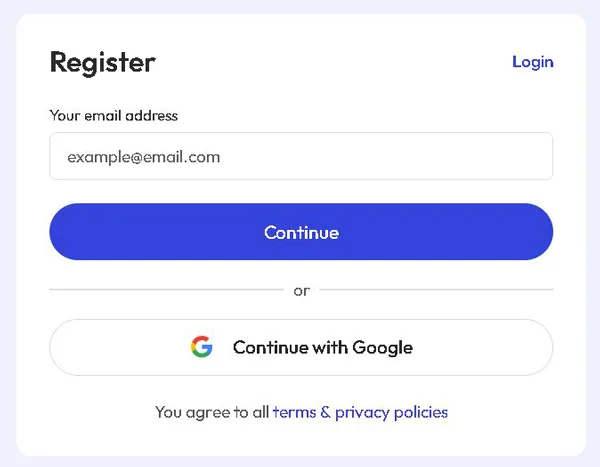
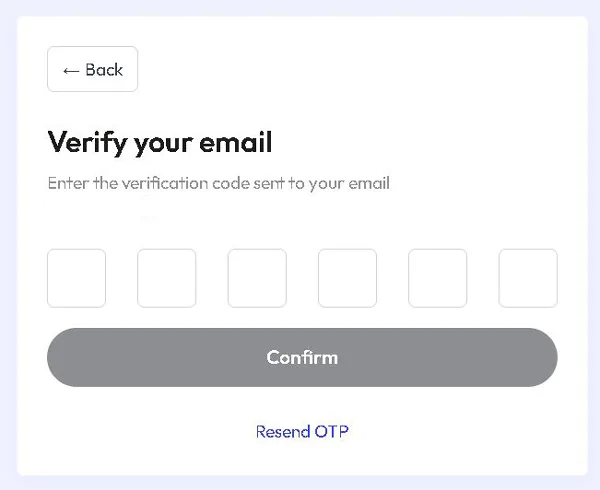
To get started, you register as a talent. You can use your email address or a Google account, whichever you prefer. Then you upload your resume and fill out your profile. After that comes a certification step, which is how the platform works out what kind of roles to send your way.
There’s also an AI matching system running in the background. It pairs job offers to profiles automatically. You don’t browse listings or put in applications. The offers just show up in your inbox when something fits. That’s worth knowing before you sign up, because if you’re expecting a traditional job board, this works differently.
Can You Use It On Your Phone?
micro1 has no mobile app. The site loads on a phone well enough for browsing job listings, but that’s about as far as I’d take it. Applications involve enough form-filling that a mobile keyboard will slow you down and introduce typos you won’t catch until it’s too late. Use a computer for that.
The one thing your phone handles without any problems is the referral side. If you see a listing that suits someone you know, you copy the referral link and send it. That’s it.
My micro1 Experience
micro1 invited me to interview with their AI, Zara. Twenty minutes recorded, questions about the role and my background. At the end, they asked me to photograph both sides of my driver’s license and scan the barcode. I did it. I’m not sure why I trusted that part so fast, but I did.
They emailed me a day or two later about a project they wanted to staff. No human had contacted me at any point. They attached a contract and an NDA. The offer was $1 per hour above the rate I had on my profile. That felt off. So I looked into it.
The email address was clean. Two people were copied on it. I found both of them on LinkedIn. Profiles looked real, names matched, nothing obviously fake. That calmed me down a little.
Then they sent me a Slack invite. A whole Slack workspace. If someone is running a scam, that is a lot of infrastructure to maintain for one person. Before I could join the project, I had to complete a paid test of roughly 10 hours. Pass or fail, they told me.
They set me up with Hubstaff for time tracking and Deel for payment. I had no idea what either of those were. I checked. Both are established platforms with real company footprints. During the test, a Google Meet room stayed open for questions. The person on the call was also in the Slack group. Same face, same name, same LinkedIn. Everything lined up.
I passed. They moved me out of the onboarding Slack group and into the project one.
My first session was short. I tracked 0.78 hours near the end of their pay period. Payment came a few days later because a weekend sat in the middle. The money hit my Deel account. I moved it to my bank the same day. It cleared two days after that.
The whole thing looked wrong at every stage. It still kind of does. But the money is in my account, so.
Is micro1 REAL or FAKE?
micro1 works. It’s a real platform with real AI-related jobs and technical roles on offer, and the pay is competitive from what I’ve seen.
The harder part is actually getting hired. The competition is serious, and you won’t coast through. And the interview process runs on AI, which is a different experience from anything I’ve come across before. I didn’t know what to expect the first time. It takes some adjustment.
My honest read: if you’re fine with being screened by an AI and you have the technical background these roles ask for, micro1 is worth a look. If you’d rather deal with a human recruiter from the start, other platforms will fit you better.
If job applications aren’t the way you want to take right now, there’s a separate list of beginner-friendly sites for earning online that might suit you more. The earning potential across those is solid, and they’re open to people regardless of location.
If you’ve used micro1 yourself, or you have questions about it, I’d genuinely like to hear about your experience in the comments.