

Bandwidth sharing apps are quiet earners. You install something small, leave it running, and your connection does the work while you ignore it. Proxyrack’s Peer program sits in this category, though I mean that as description, not endorsement. Not yet.
I run more than one of these at a time, and I think that’s the sensible approach. Any single app will go quiet. The queue empties, nothing comes through, and it just sits there. If you have two or three running alongside each other, that gap gets covered more often. One picks up while another waits. Your bandwidth doesn’t sit wasted.
Proxyrack is worth adding to that rotation, or at least worth checking against what you already use. The install is light, the app runs in the background, and you earn from the bandwidth you’d otherwise leave unused. What you actually earn, and whether anything about it warrants caution, is what I want to get into.
What is Proxyrack, and how does it work?
Proxyrack sells proxy connections. Companies and developers buy them to route internet traffic through real residential IP addresses across different locations. The industries that run on this are the ones that need rotating IPs constantly: data scraping, SEO, ad verification, social media account management, market research. That’s Proxyrack’s core business.
The Peer program sits on top of that. You install the software, your connection becomes part of their network, and they use your bandwidth. In exchange, you earn. I’ve used enough platforms like this to know when the earning part is real, and from what I can tell, this one is.
Whether it’s worth signing up is a different matter. That depends on how the earning works in practice. And that’s not always obvious from the outside.
Sharing internet and earn money
Setting it up is straightforward enough. You download the peer client from the dashboard, install it, and then copy a device ID the software gives you into your account. That’s the link between the device and your profile. It works on Windows and Linux. Mac users can’t use it. There’s an Android version, but it doesn’t come through an app store, so you install it manually.
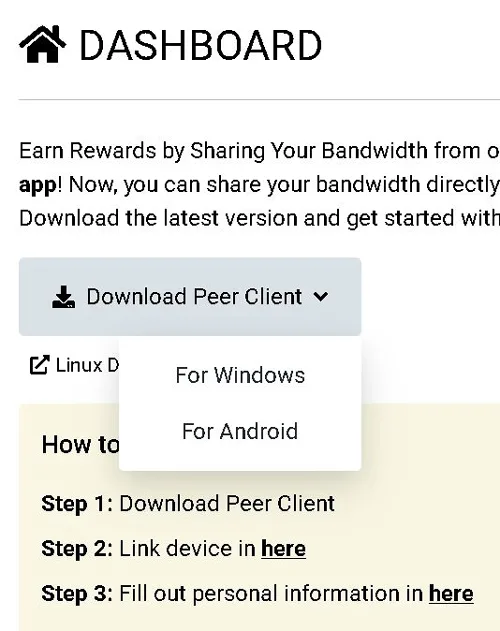
After that, the software runs quietly in the background. You’re sharing your unused bandwidth with their proxy network, which is the same model Honeygain and Pawns use. The dashboard shows how much you’ve shared and what you’ve earned. You don’t have to do anything once it’s running.
The rate is $0.50 per gigabyte. I thought that sounded reasonable until I noticed it doesn’t run constantly. Demand determines whether they actually use your connection. Sometimes they pause it altogether. So the earning is passive in the sense that you’re not doing anything, but it’s not steady. There are gaps.
I’ll explain what that does to your actual numbers later.
Refer Your Friends
The referral side is simpler than it sounds. You get a link, you share it, and anyone who signs up through it becomes your referral.
But they have to do more than sign up. They need to install the software and run it in the background, the same way you do. If they never get that far, nothing happens on your end.
When they do run it, you get 10% of whatever they earn. Not a bad rate. The problem is that it only pays off if the person you invited is actually committed to running it. Someone who creates an account and leaves it sitting there counts for nothing.
So you want to be selective about who you send that link to.
How do you get paid?
The software runs in the background and logs whatever bandwidth you share. You can check the balance any time you want, though there is not much to watch. It moves slowly.
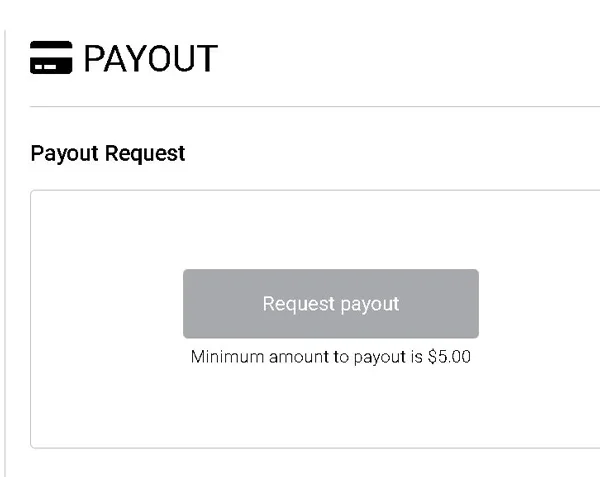
At $5, you can withdraw. Tremendous handles the payout, and it gives you three ways out: PayPal, wire transfer, or a gift card. I went with PayPal. The gift card option surprised me a little. I did not expect to see that sitting alongside a wire transfer, but there it is.
Five dollars is a low bar to clear, which made the first withdrawal feel less like an event than a small administrative task. I clicked, it processed, and that was about it. No drama.
If that payout setup appeals to you, ySense and GG2U work the same way through PayPal.
How Much Can You Earn with Proxyrack?
Proxyrack pays per gigabyte of data you share. The rate is decent enough. The problem is that what you actually earn comes down to whether their clients need a connection from your location. If they don’t, nothing comes in. You can’t control that.
I wouldn’t treat it as something reliable. Some periods you’ll earn, others you won’t, and there’s no way to predict which.
The one thing I’ll say in its favour is that you’re not doing anything. The app works, you go about your day, and whatever amount goes into your account stays there. I’ve seen that pattern before with platforms like this. Low effort, low returns. The two tend to go together.
You’ll also need to be patient about withdrawing. The threshold takes a while to reach when earnings are slow and inconsistent. Worth knowing before you start checking your balance too often.
How to Get Support on Proxyrack
If you have a question, the dashboard has a Help section. It handles the basics well enough that you probably won’t need anything else for simple queries.
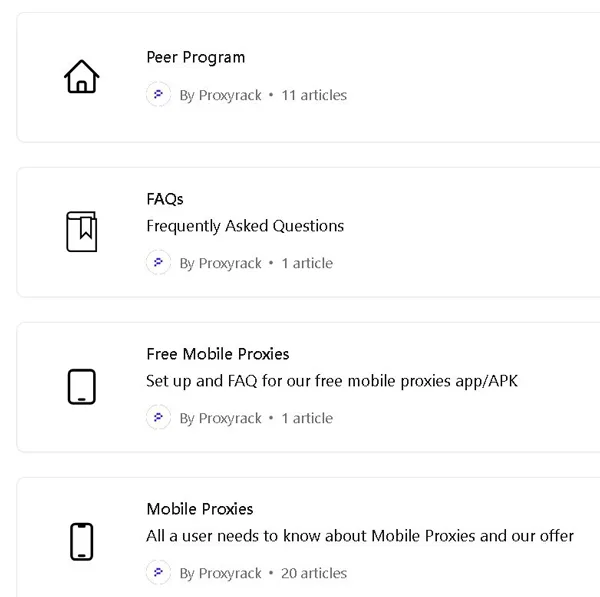
If you do get stuck, you have two options. The website has a contact form, or you can hit the Message button from inside the dashboard itself. I’d lean toward the in-dashboard option only because it keeps you in context, but both reach the same team.
It’s not a sophisticated support setup, but it covers what it needs to.
Can Anyone Join Proxyrack?
Proxyrack doesn’t say upfront which countries it works in. I had to find out by testing. It’s available in over 140, so the short answer is: most places qualify.
The longer answer is messier. Being available doesn’t mean earning the same everywhere. The US, UK, Canada, Australia, and most of Western Europe see more demand for bandwidth. I don’t know the exact difference in numbers because Proxyrack doesn’t publish that, but from what I can tell, if you’re outside those markets, you’re probably earning less. Not nothing, but less.
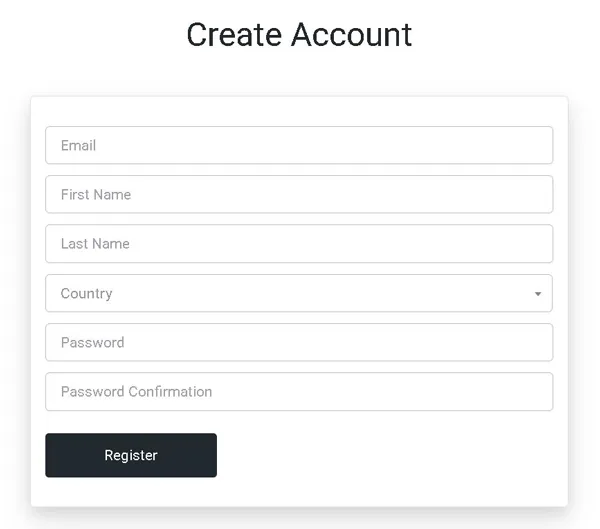
Signing up is a form. Email, first name, last name, country, password, then Register. They send a verification email, you click the link, and you’re in. After that, download the app for Windows, Android, or both.
Opening the app is where it gets slightly more involved. You’ll see a Device ID. Copy it. Then go to the Devices page inside your account, give your device a name under “Friendly Name“, paste the ID into the “Device ID” box, and click Add Device. One thing worth knowing: you need to do this step manually. The device doesn’t connect on its own just from installing the app. Once you add it, though, it runs in the background and uses your internet connection to earn bandwidth-based credit.
That’s the actual setup. Less than five minutes if you know what you’re looking for.
Can You Use It On Your Phone?
The Android version exists, but it’s not on Google Play. You download the APK from the Proxyrack dashboard and install it yourself.
Proxyrack does include instructions for the manual install, which I’ll give them credit for. That said, if APK installation is new to you, I’d hold off. It’s not complicated once you’ve done it before, but the first time is the first time.
After installation, you add the device to your account. Your phone’s network connection then runs alongside any other device you’ve already set up.
Is an APK file safe?
Every app on your Android phone arrived as an APK file. Most people never see it. The Play Store handles everything quietly, so the format stays invisible. But it’s there every time, running underneath.
APK stands for Android Package Kit. Developers build apps in Android Studio (Google’s official tool for this), and when the app is ready, the tool compiles everything into a single file. That file carries the manifest, which covers the app’s name, version, and permissions. It also holds the assets, the resource files, the compiled code, and any native libraries the app needs to run. Pull any of that out and the app breaks.
So far, straightforward. The less comfortable part is what happens when that file doesn’t come from somewhere you trust.
Bad actors build APKs too. They wrap viruses or ransomware inside something that looks like a normal app, a calculator, a weather tool, something with no obvious red flags. Once it’s on your device, the virus does what viruses do. Ransomware goes further: it locks you out and asks for payment before handing control back. The disguise is deliberate. That’s what makes it work.
Some go further than that. Certain malicious apps don’t stay passive once installed. They go for root access, which means full control of the device. Someone who has that can reach your bank accounts, read your messages, or use your phone to run their own operations while you carry it around in your pocket. You’d have no idea.
Either way, your data is at risk. Passwords, personal files, anything stored on the device. If it’s a work phone, the damage doesn’t stop with you. There can be legal exposure, financial loss, damage to the organization’s reputation. One file from the wrong place can travel a long way.
Then there are APKs built to get around paywalls. Someone strips the payment requirement from a legitimate app so people can use it free. That’s illegal, and it tends to come with consequences eventually. A separate problem is leaked apps: unreleased versions circulating before the developer intended. Incomplete code behaves unpredictably. You might install something that half-works, or something that breaks other things on your phone.
The APK format isn’t inherently dangerous. A developer at Google uses the same format as someone trying to steal your passwords. The file type tells you nothing. The source does.
Is Proxyrack legit?
Proxyrack is legit. It shares your bandwidth passively and pays you for it, and getting your money out is straightforward enough.
The problem is demand. It moves around, and there is no way to predict when it will be high or low. You might be sharing your connection and earning very little for stretches at a time. That is the part worth thinking about before you commit.
If you want something passive that runs without much input, it fits. I would not lean on it as a standalone source of extra income, though. The inconsistency makes that unreliable.
For anything more regular, it is probably worth looking elsewhere. There are platforms with more stable earning potential, especially if consistent output matters to you.